Exploring Singletary’s Art


1st January 2026
About Preston Singletary
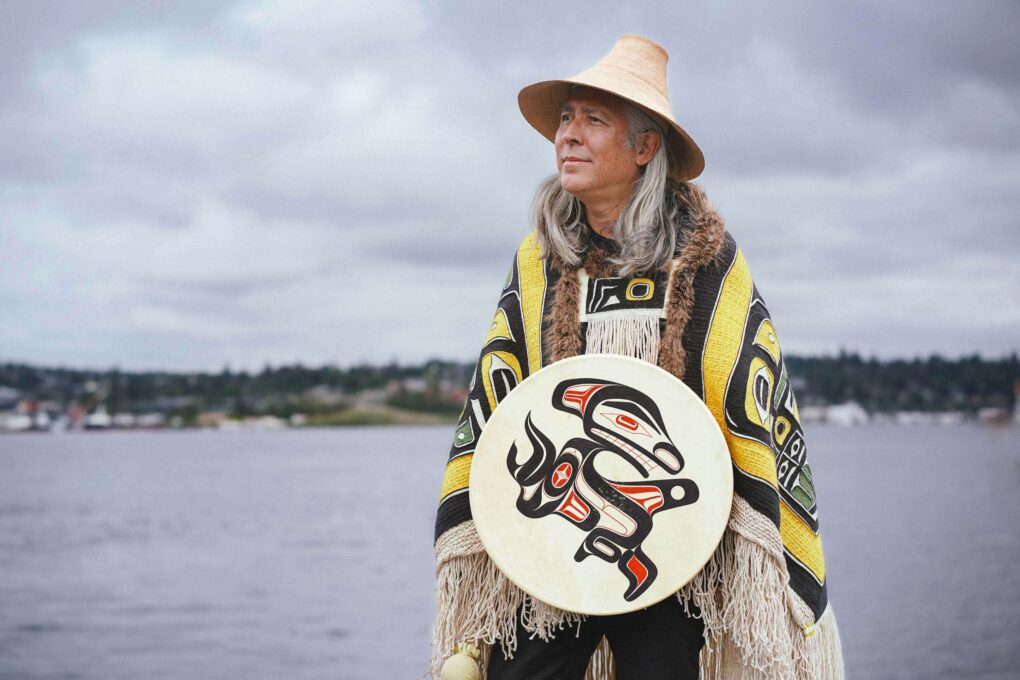
When I first began working with glass in 1982, I had no idea how deeply I would connect with the material. It wasn’t until I started incorporating Tlingit designs and stories—drawing from my lineage in the Eagle moiety, Kaagwaantaan Box House, Killer Whale clan—that my work took on a deeper sense of purpose. This artistic transformation allowed me to merge ancestral storytelling with a modern medium, giving voice to both my culture and my artistic vision.
I come from a long line of strong Tlingit women. My great-grandmother, Susie Johnson Bartlett Gubatayo, was born in Sitka, Alaska, in 1880 and later moved to Seattle, where she built a foundation for our family. My grandmother, Lillian Abada, raised my mother, Jean Abada, and my aunties, Andrina Abada and Theresa Sherman, almost entirely on her own. Their influence shaped my identity and instilled in me a profound connection to my heritage—one that continues to guide my work today.
Over time, my mastery of glassblowing and Tlingit formline design has evolved, deepening my understanding of both my ancestral roots and my chosen craft. This journey has not only shaped my personal artistic expression but has also positioned me as a significant contributor to contemporary Indigenous art.
Through teaching and collaborating with Native American, Māori, Hawaiian, and Australian Aboriginal artists, I have come to appreciate how glass expands the possibilities of Indigenous art. Indigenous artistic perspectives are deeply tied to ancestral codes, land, and cultural symbolism, and working in glass adds another dimension to these traditions. This exchange of ideas continues to inform and inspire my work.
My work challenges the notion that Native artists must only use traditional materials. By embracing glass as a storytelling medium, I seek to affirm our presence and identity, reinforcing that Indigenous cultures are dynamic, evolving, and rooted in resilience. Through my art, I strive to amplify Indigenous voices, ensuring that we are seen, heard, and recognized on our own terms.
As my work continues to evolve, I remain committed to exploring the connections between Tlingit culture and contemporary art movements. I have been honored to witness how my journey has inspired other Indigenous artists to experiment with glass and other non-traditional materials. Moving forward, I hope to continue fostering innovation, pushing the boundaries of Indigenous art, and creating work that resonates across generations.
Singletary’s Art
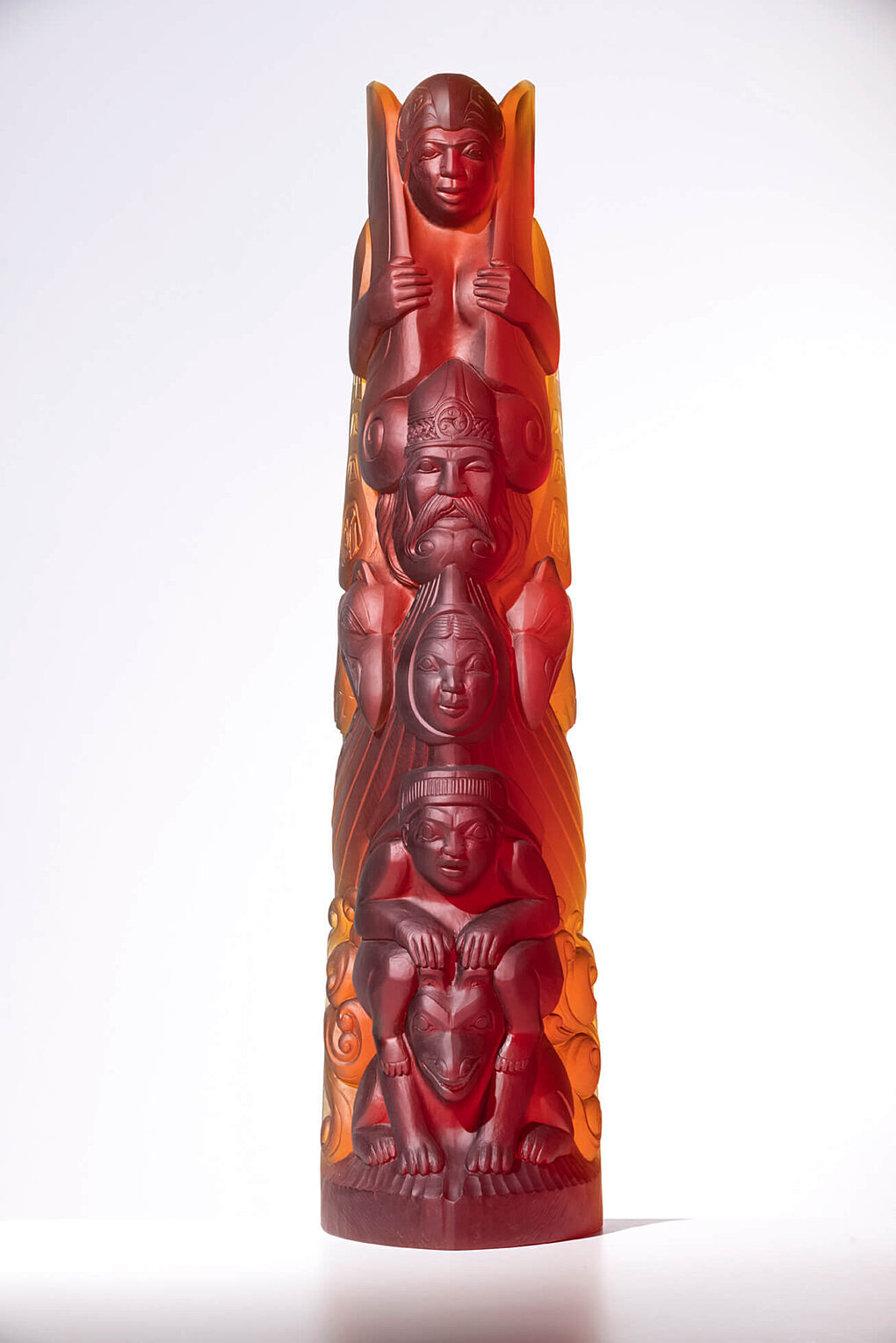
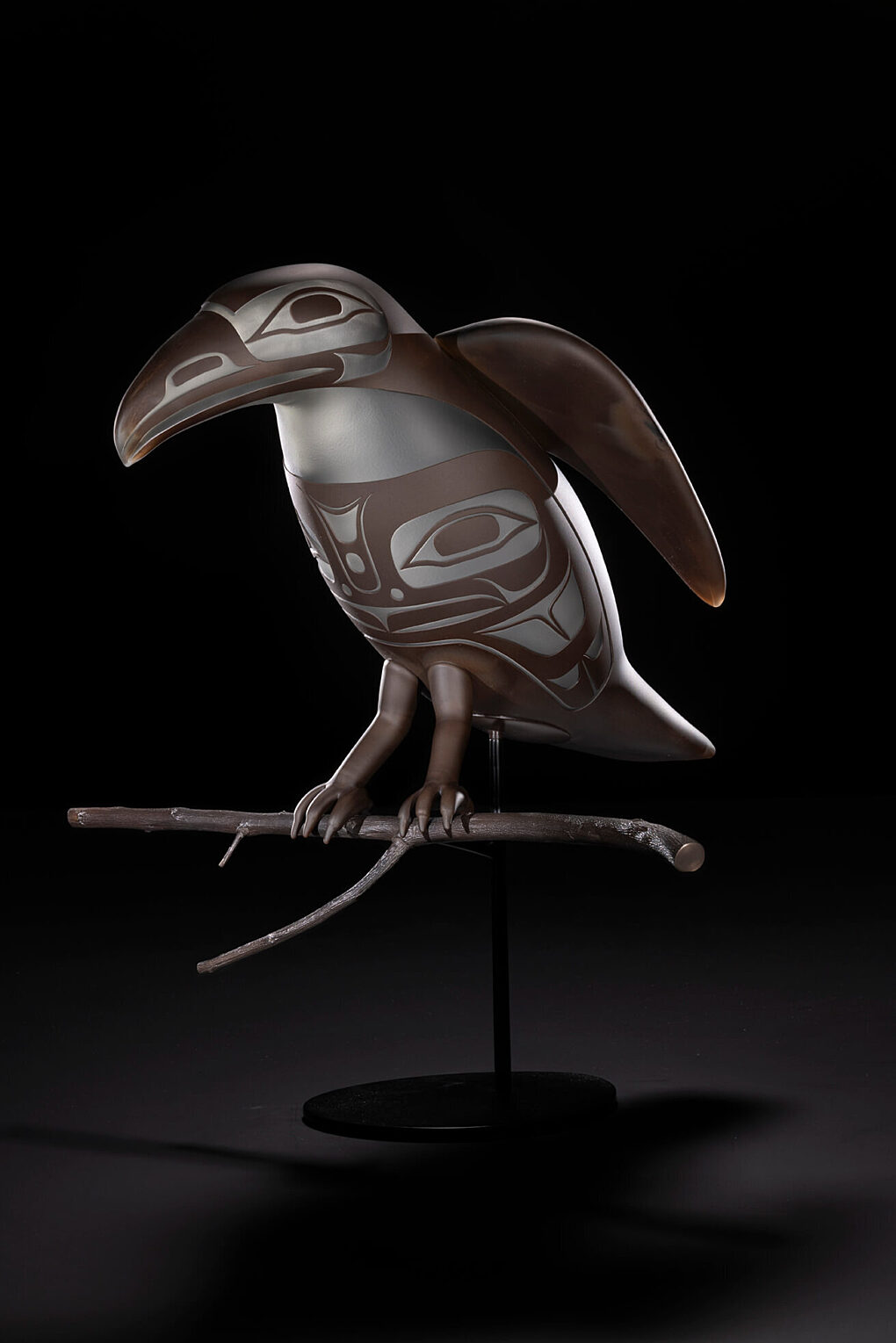
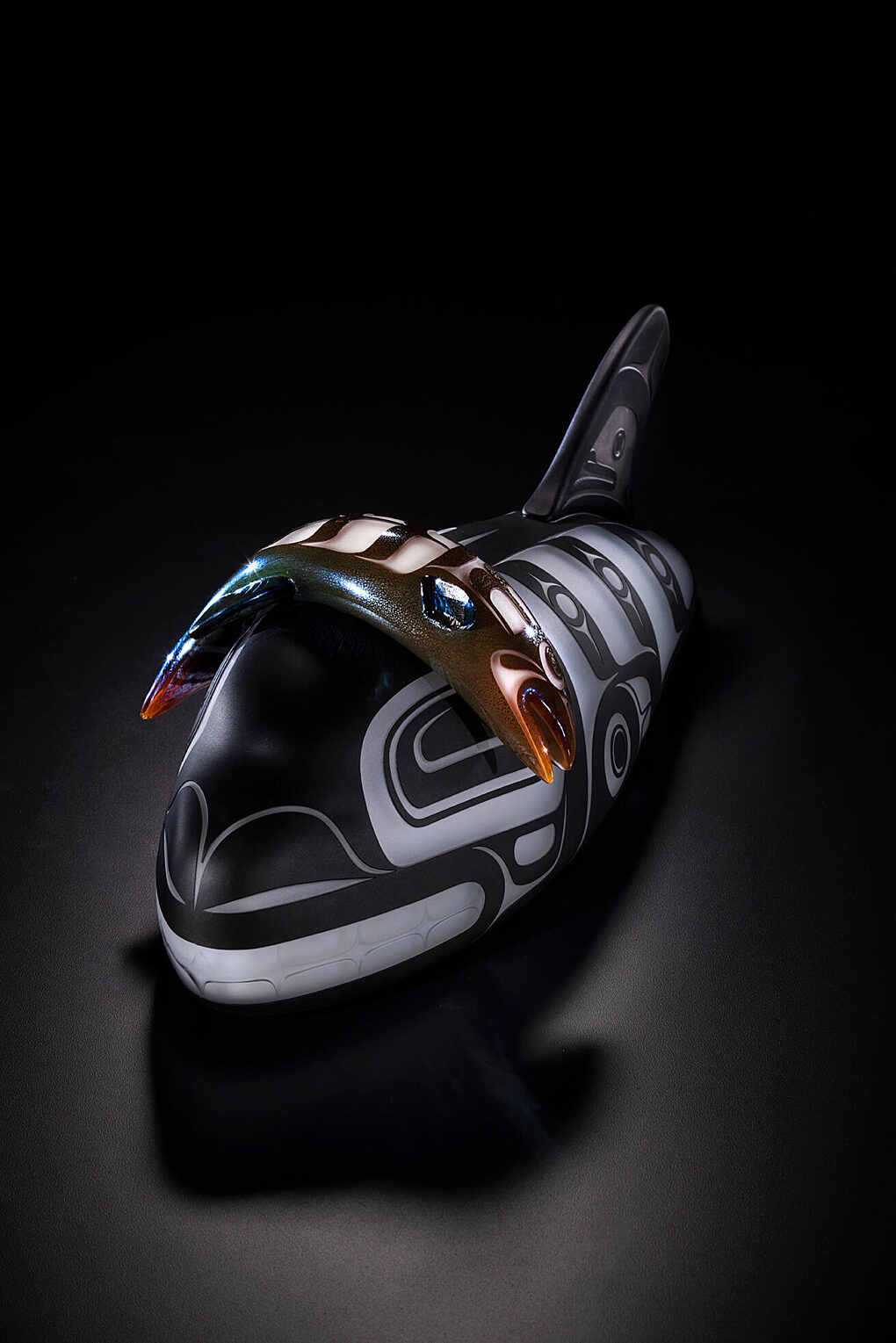
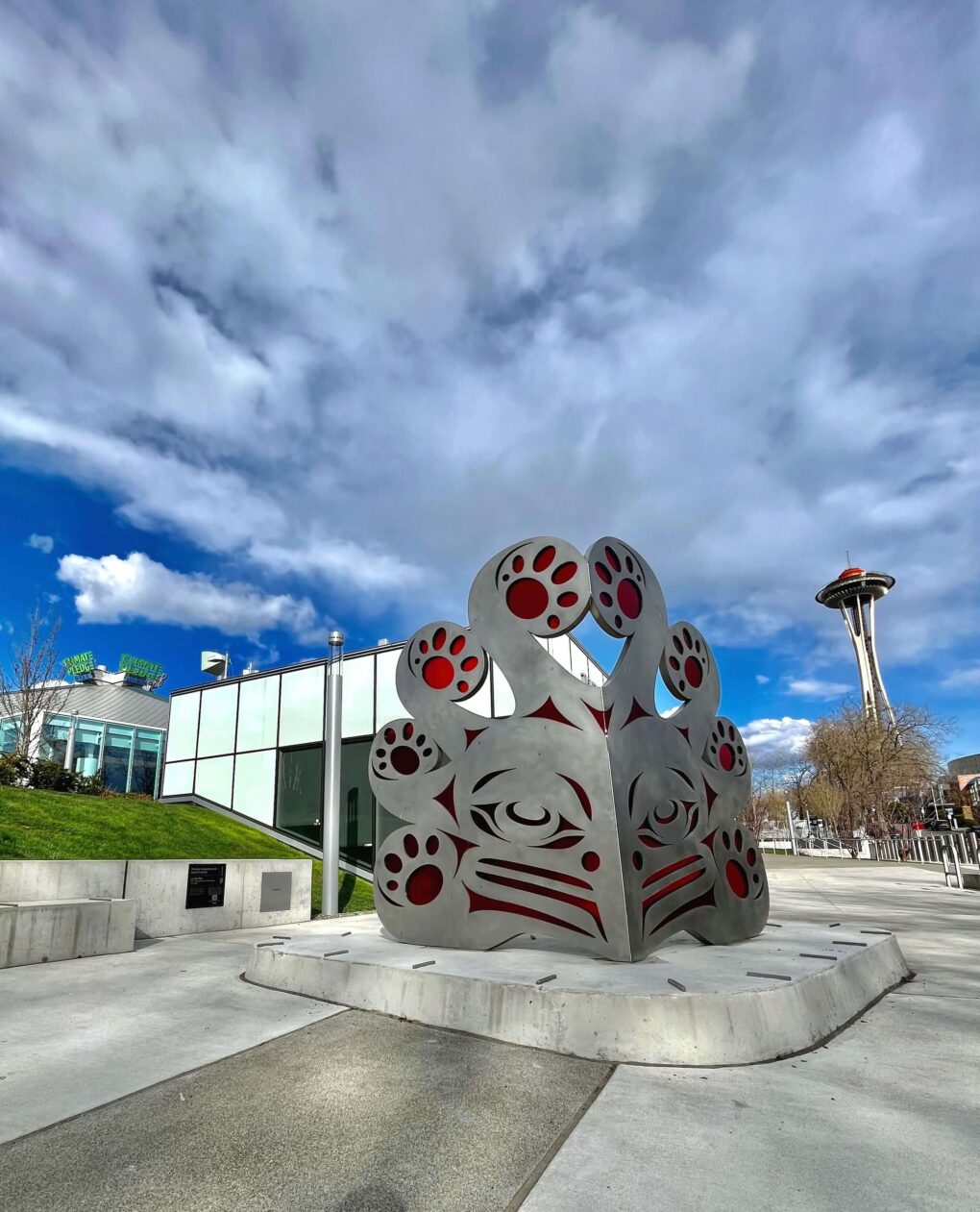
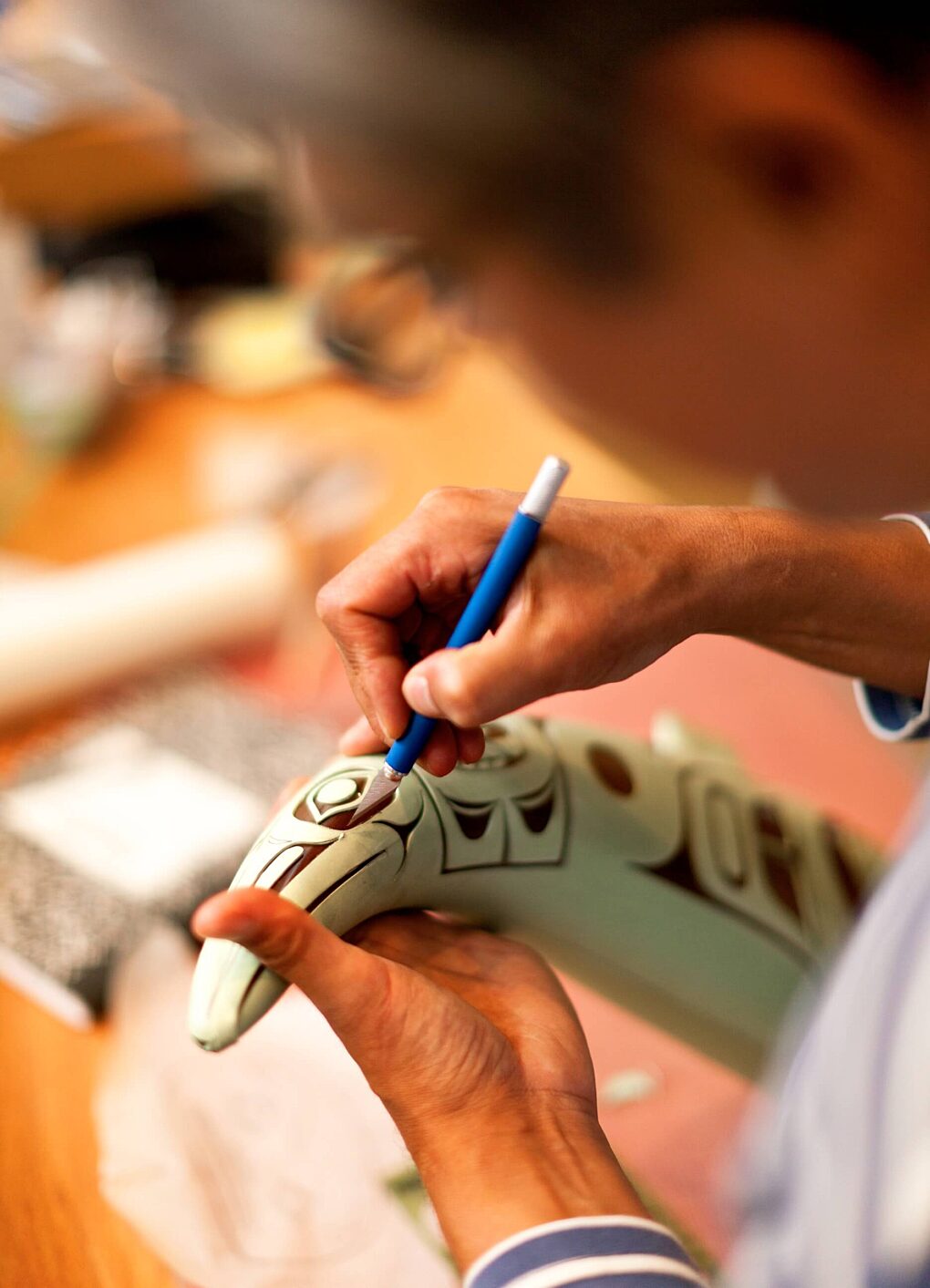
Singletary continues to push the boundaries of glass as a medium in his art. Noted mainly for his blown glass sculptures, Singletary has also created works in lead crystal, bronze and large scale public art installations.
Pieces by Preston Singletary can be found at galleries nationwide, including at the Blue Rain Gallery in Santa Fe, the Traver Gallery in Seattle, WA and the Sandra Ainsley Gallery in Toronto. Additionally, pieces can also be found at select galleries and museum stores, a full list can be found here.
Singletary’s work is held in museum collections worldwide, and his critically acclaimed, nationally touring exhibition "Preston Singletary: Raven and the Box of Daylight" will continue traveling in 2026. This solo exhibition tells the Tlingit origin story of Raven and his transformation of the world - bringing light to people via the stars, moon, and sun.